Blog
Using MyCiggy Tobacco Flavours to Quit Smoking and Gradually Stop Vaping

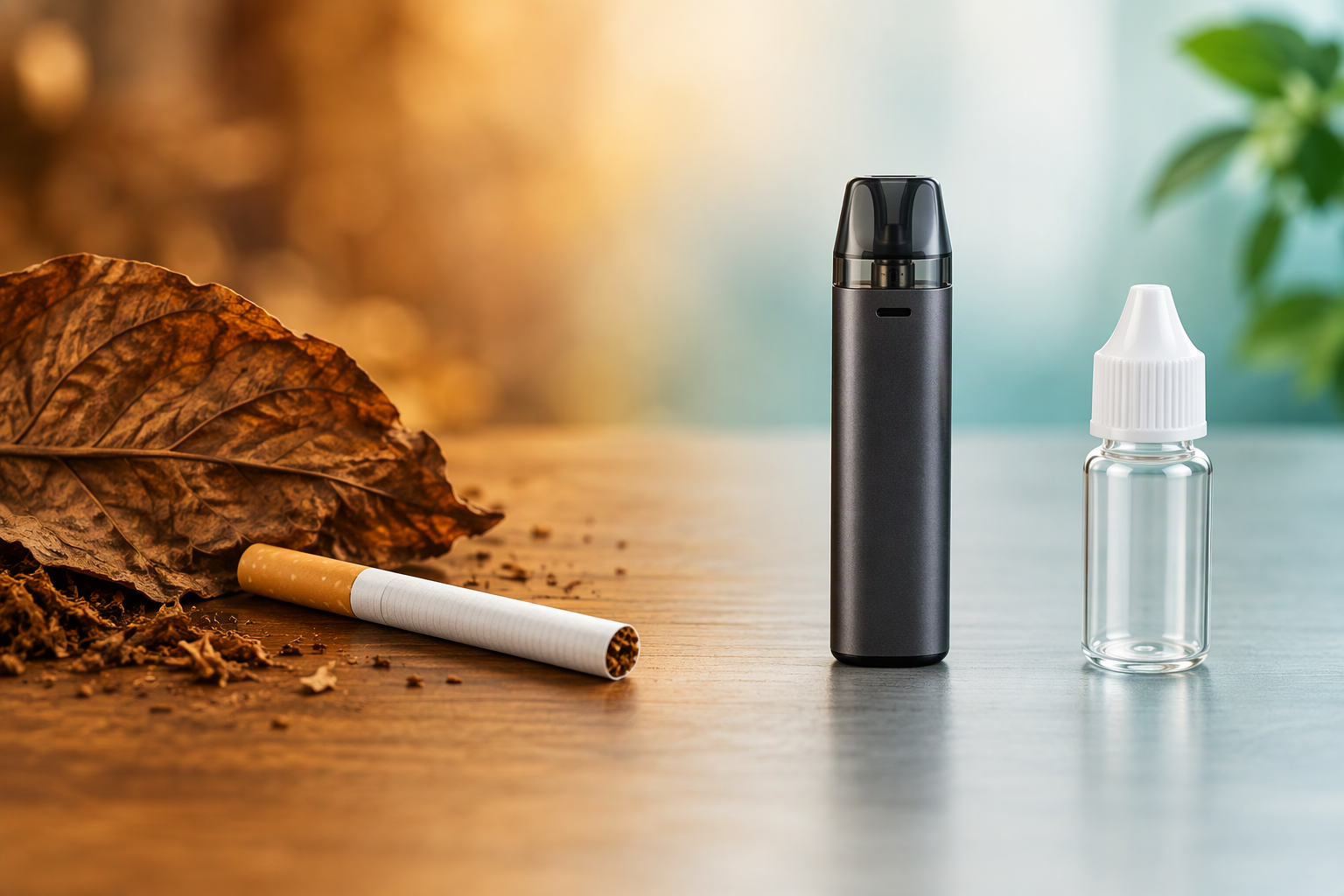
For adult smokers who want to move away from cigarettes, a familiar tobacco flavour can make the first step feel more manageable. The aim is not to stay dependent on vaping forever. It is to move away from smoking, gradually reduce nicotine at a pace that feels manageable, and eventually stop vaping altogether.
This guide explains a simple step-down route using MyCiggy tobacco flavours, moving from 18mg to 12mg, 6mg, 3mg and finally 0mg nicotine. There is no single timetable that works for everyone, so treat the stages as a guide rather than a deadline.
Why tobacco flavours can help with the first transition
For many smokers, the taste and routine of tobacco are closely linked to cigarettes. Choosing a familiar tobacco-style e-liquid can make the change feel less abrupt while you replace cigarette smoke with vaping.
If you are switching from smoking, the most important early goal is to avoid going back to cigarettes. The NHS advises that reducing nicotine gradually can make stopping vaping easier, but also warns that people who quit vaping should be confident they can do so without returning to smoking.
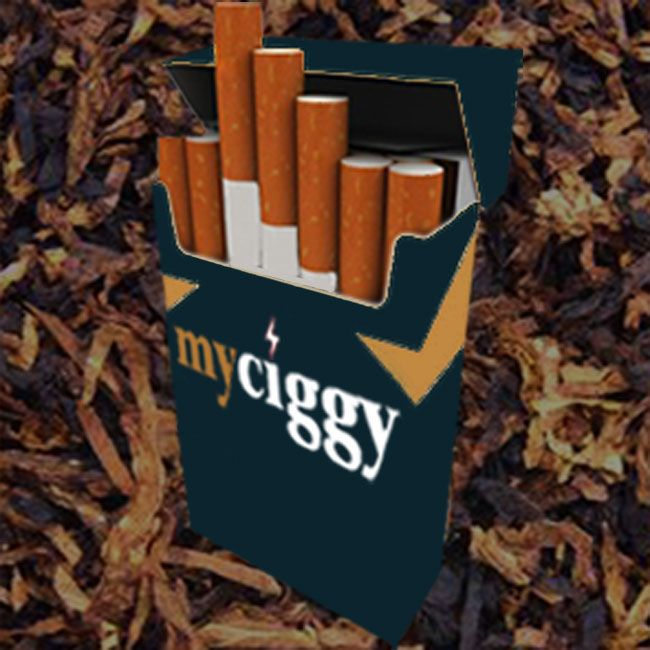
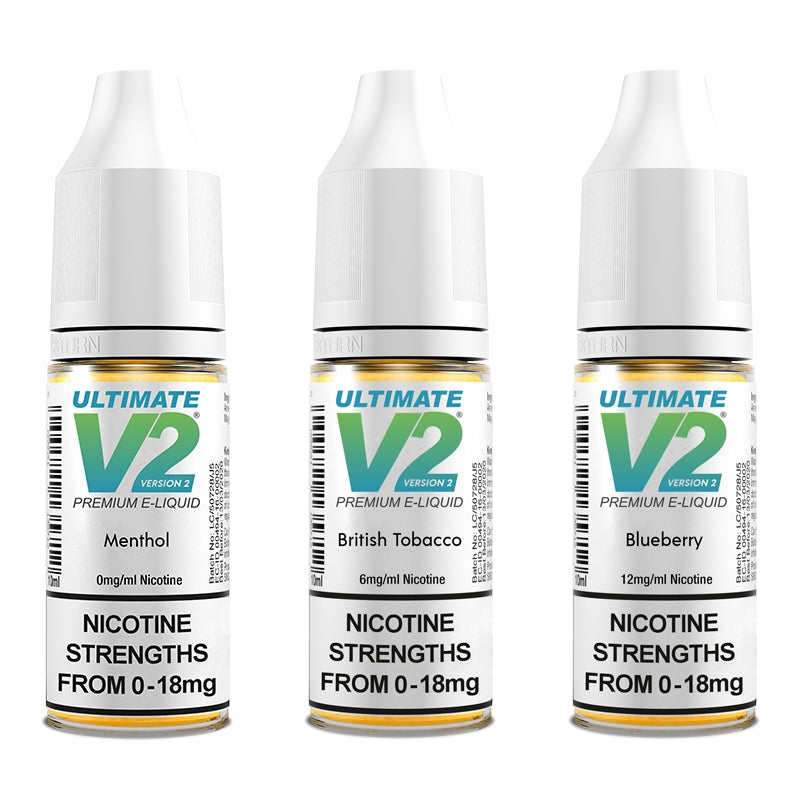
You can explore the MyCiggy tobacco flavour range and keep the flavour consistent while you reduce nicotine strength. Keeping the flavour familiar may make each nicotine reduction easier to judge.
A gradual nicotine step-down plan
Stage 1: Start at 18mg
Begin with the nicotine strength that controls your cravings without making you feel uncomfortable. For some adult smokers, that may be 18mg.
Spend enough time at this level to stop relying on cigarettes. Do not rush to reduce the strength while you are still struggling with cravings. The first priority is establishing a complete switch away from smoking.
Stage 2: Move from 18mg to 12mg
Once you feel settled, try 12mg. Keep using a familiar tobacco flavour and pay attention to your cravings, mood and vaping pattern.
If you notice that you are vaping much more often, taking longer sessions or constantly thinking about cigarettes, the reduction may have been too quick. Return to the last strength that worked for you and try again later.
Stage 3: Move from 12mg to 6mg
At 6mg, you are continuing to reduce nicotine while keeping the hand-to-mouth routine and flavour that helped you leave cigarettes behind.
This is also a good point to start creating vape-free moments. You could leave your device at home for a short errand, avoid vaping in one room, or increase the time between sessions. Make one change at a time so you can tell what helps.
Stage 4: Move from 6mg to 3mg
At 3mg, the focus becomes both nicotine reduction and breaking the automatic habit of reaching for your vape.
Try setting simple boundaries, such as vaping only outdoors or only during planned breaks. Keep water, sugar-free gum or another distraction nearby for times when the urge is more about routine than nicotine.
Stage 5: Move from 3mg to 0mg
When you feel ready, move to a 0mg nicotine e-liquid. This can help separate the flavour and routine from nicotine dependence.
Do not assume that 0mg means you must vape constantly. Keep working on longer gaps between sessions and introduce more vape-free places and times. If 0mg makes you feel at risk of returning to cigarettes, speak with a pharmacist or stop smoking adviser and use the plan that keeps you away from smoking.
When should you reduce your nicotine strength?
Reduce only when the current strength feels comfortable. Some people may stay at each stage for a few weeks, while others may need longer. There is no prize for reducing too quickly.
A useful sign that you have moved down too soon is compensating by vaping more. If that happens, step back to the previous strength, allow yourself more time, and try again when you feel ready.
How to prepare for stopping vaping altogether
- Choose a realistic target date or week for stopping.
- Increase the time between vaping sessions.
- Create vape-free rooms, journeys or routines.
- Keep your hands busy during common trigger times.
- Tell someone you trust about your plan.
- Remove spare devices and e-liquid when you are ready to stop.
Nicotine withdrawal can cause cravings, irritability, low mood, difficulty concentrating, increased hunger or sleep problems. These symptoms are different for everyone and usually become easier to manage with support and planning.
Important advice before you begin
Vaping is not risk-free, and this article is general information rather than medical advice. This step-down approach is intended for adult smokers who are using vaping to move away from cigarettes, not for non-smokers or young people.
If you are pregnant, have a medical condition, take regular medication, or are unsure which nicotine strength is suitable, ask a pharmacist or stop smoking adviser for personalised guidance. If reducing nicotine makes you start smoking again, prioritise staying away from cigarettes and seek professional help rather than forcing the reduction.
Take the next step with MyCiggy
A familiar tobacco flavour can help make the first change feel more achievable. Start with a strength that controls cravings, move down gradually from 18mg to 12mg, 6mg, 3mg and 0mg, and keep working towards a vape-free routine.
Browse the MyCiggy tobacco flavours and choose a gradual plan that fits your own pace. The goal is progress: away from cigarettes, down through the nicotine strengths, and eventually away from vaping too.
Sources and further guidance: NHS guidance on gradually reducing vaping. Product availability and nicotine strengths can change, so check the product information before ordering.